Physical Bitcoin: Collectible Investment?
The emergence of physical Bitcoin has sparked debates among collectors and investors alike. As tangible representations of the digital currency Bitcoin, these physical coins serve as a bridge between the digital and physical worlds of cryptocurrency.
This article explores the concept of physical Bitcoin, its creation process, and the various types available, ultimately questioning whether they are mere collectibles or smart investments.
Understanding Physical Bitcoin
What is Physical Bitcoin?
Physical Bitcoin is a tangible representation of the cryptocurrency Bitcoin in the form of physical coins. Essentially, Bitcoin is a digital currency that exists on the blockchain network, but physical Bitcoin allows people to own Bitcoin in a form they can hold.
These coins are typically made from metals such as gold, silver, or nickel, and are equipped with a public address and a private key written or hidden within them. Holders of these coins can access the digitally stored Bitcoin by importing the private key into a crypto wallet. This unique duality gives physical Bitcoin both collectible and real value, making it a fascinating object for Bitcoin enthusiasts.
How Physical Bitcoins are Created
Creating a Physical Bitcoin involves embedding a private key or a seed phrase into a physical item. This is usually done by printing a QR code or a series of numbers and letters onto a paper, metal, or even a plastic card, which is then sealed to prevent tampering. The physical item is designed to be durable and secure, ensuring that the digital Bitcoin can be accessed only by the holder who breaks the seal.
The process not only protects the amount of Bitcoin stored but also enhances the perceived value of the coin, as it combines the allure of physical cryptocurrencies with the digital value they represent.
Types of Physical Bitcoin Available
There are two main types of physical Bitcoins – some are physical coins with embedded BTC value, while others are purely decorative. Physical coins with embedded BTC value were popular in the earlier days of Bitcoin, but such products have been largely discontinued. Decorative physical Bitcoins are used as props in photoshoots and videos, or they can be used as home decoration.
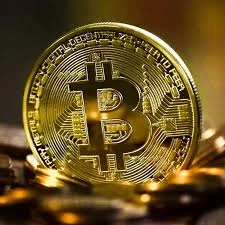
Most often, these decorative physical Bitcoins are made out of a gold-colored metal and prominently feature the Bitcoin project’s logo. Although they do not hold actual Bitcoin, their collectible value makes them sought after by collectors and can serve as a conversation starter in the physical world of digital currencies.
The Appeal of Collectible Physical Bitcoins

Historical Significance of the First Physical Bitcoin
The origin of physical Bitcoin can be traced back to Mike Caldwell, an innovative American software developer who introduced the Casascius Bitcoin coins in 2011. As the pioneer of physical Bitcoin, Caldwell’s creation marked a significant milestone in the crypto world, effectively bridging the gap between the digital and physical realms.
These physical coins were not mere collectibles; they were tangible representations of actual Bitcoin stored securely within their design. Each Casascius Bitcoin featured a holographic seal that protected the private key, enhancing its allure and security. This fusion of art and technology created a unique collectible that has since become highly sought after by collectors, representing both the historical significance and the evolving narrative of Bitcoin.
Decorative Physical Bitcoin: Art and Investment
While many decorative physical Bitcoins do not contain any real Bitcoin, their aesthetic appeal and cultural significance resonate deeply within the crypto community. These artistic coins symbolize Bitcoin’s evolution from a niche technological experiment to a globally recognized financial asset. The intricate designs often command prices based on their novelty and craftsmanship, attracting collectors and enthusiasts alike.
For many, purchasing physical Bitcoin is not solely about acquiring Bitcoin value but rather embracing a piece of crypto history. These coins serve as decorative items that express one’s passion for digital currencies and can make for thoughtful gifts, allowing individuals to display their connection to the world of Bitcoin in a tangible form.
Collecting vs. Investing: What’s the Difference?
The distinction between collecting and investing in physical Bitcoin is crucial for potential buyers. Many enthusiasts buy physical Bitcoin primarily as collectibles, appreciating their unique designs and the stories they tell. Some limited-edition physical Bitcoin coins can hold higher collectible value, even if the actual Bitcoin they contain is minimal.
If your focus is on collecting, seek out coins that feature attractive artistry, high-quality materials, or limited editions to enhance their allure. Alternatively, if your goal is investment, the emphasis should shift to the amount of Bitcoin embedded in the coin. Understanding the redeemable potential of the Bitcoin stored within will allow you to make informed decisions about the future value of a physical Bitcoin, ensuring a balance between personal enjoyment and financial prudence.
Investing in Physical Bitcoin
How to Buy Physical Bitcoin
To buy physical Bitcoin, it’s essential to ensure that your purchase is made from reputable and trusted manufacturers. One of the most recognized names in the world of physical Bitcoin is Casascius, which produced high-quality physical Bitcoin coins until halting production in 2013. Although Casascius coins are becoming increasingly difficult to find, they serve as a benchmark for quality in this niche market.
Today, other companies offer similar products, but diligent research is necessary. Reading reviews from the Bitcoin community can help you avoid scams involving counterfeit coins, ensuring that you buy physical Bitcoin with confidence and security.
Evaluating the Value of Physical Cryptocurrencies
The value of physical Bitcoin products can fluctuate significantly based on various factors. Physical coins that have a specific amount of Bitcoin embedded within them come in different denominations, each with its own market appeal. The collectible allure of a physical Bitcoin often contributes to its overall worth, alongside the materials used in its creation—some coins were crafted from precious metals, which can enhance their desirability.
When evaluating the value of a physical Bitcoin, it’s crucial to consider both the Bitcoin stored within and the coin’s collectible value, as these elements can significantly influence potential returns on investment.
Physical Bitcoin ETFs: A New Investment Vehicle
In the realm of investment strategies, physical Bitcoin ETFs (exchange-traded funds) have emerged as an intriguing option. These ETFs are backed by real Bitcoin coins held by the ETF’s issuer, making them a unique investment vehicle for those interested in the crypto market. An example of such a product is the Fidelity Physical Bitcoin ETP (FBTC), which is available for trading on European stock exchanges.
Currently, similar products are not available in the United States, but the future of physical Bitcoin ETFs may reshape how investors approach the digital currency landscape. This innovation allows investors to gain exposure to Bitcoin without directly holding the physical coins themselves, marking a significant evolution in the investment strategies surrounding Bitcoin.
The Future of Physical Bitcoin
Trends in the Physical Bitcoin Market
The future of physical Bitcoin may appear less bright compared to the rising prominence of digital Bitcoin, but it continues to hold a unique place in the crypto community, particularly among collectors and enthusiasts. As blockchain technology evolves and public awareness of digital currencies increases, the role of physical bitcoins as a transaction medium is likely to decline.
However, the collectible nature of physical Bitcoin keeps it relevant in the market. Many enthusiasts seek these physical representations, not just for their potential value in Bitcoin but for their historical significance and the stories they tell about the early days of cryptocurrency. This intersection of nostalgia and value may maintain a niche market for physical coins despite the overarching trend toward digital assets.
Potential Challenges and Risks
Physical Bitcoin faces several inherent risks that potential buyers should be aware of. Crypto scams are a significant concern, with counterfeit coins and fraudulent sales being prevalent in the market. Regulatory uncertainty surrounding cryptocurrencies adds another layer of complexity, as investors grapple with the legal implications of owning physical coins.
Moreover, the high volatility of Bitcoin value presents a challenge; the worth of a physical Bitcoin can fluctuate dramatically in a short period, making it a risky investment for those seeking stable returns. The authenticity of a physical Bitcoin is also paramount—if the holographic seal protecting the private key is compromised, the security of the Bitcoin stored within may be jeopardized. Therefore, understanding these risks is essential for anyone considering buying physical Bitcoin.
Will Physical Bitcoin Stand the Test of Time?
Looking ahead, it is likely that physical Bitcoin will evolve into a historical artifact within the burgeoning crypto space. As the focus shifts more towards technological innovations and enhanced security measures in digital transactions, the value of physical Bitcoin may come to be appreciated more for its collectibility than its utility as a store of value.
The ongoing global adoption of cryptocurrency will likely lead enthusiasts to gravitate toward digital options that offer greater efficiency and security. Nonetheless, the charm of physical coins as tangible reminders of Bitcoin’s revolutionary journey may ensure their continued appeal among collectors, serving as a testament to the cryptocurrency’s evolution.
Using Physical Bitcoin
How to Use a Physical Bitcoin in Transactions
Using physical Bitcoin in transactions is a straightforward process, albeit one that requires careful attention to detail. For instance, Casascius coins are a popular type of physical Bitcoin that store digital value through a private key concealed behind a holographic seal. To access the Bitcoin, a holder must first break this seal.
Once the seal is broken, the next crucial step involves importing the private key into a compatible Bitcoin wallet. This action enables the user to transfer the specific amount of Bitcoin stored within the coin into their digital wallet, allowing for seamless transactions in the digital realm. Understanding this process is essential for anyone looking to convert their physical Bitcoin into usable digital currency.
Security Considerations for Physical Cryptocurrencies
When dealing with physical cryptocurrencies, security is of utmost importance. The private key embedded within a physical Bitcoin is the sole means by which a holder can access the Bitcoin stored inside. Therefore, it is critical to ensure that this key remains secure and inaccessible to unauthorized individuals. Proper storage of physical Bitcoin is essential, as losing or having the private key stolen can result in irreversible loss of funds.
To safeguard against this risk, it is advisable to keep physical coins in a secure location, such as a safe or safety deposit box, until you are ready to use them. By taking these precautions, holders can minimize the risk of theft and ensure the integrity of their investment.
The Role of Physical Bitcoin in a Digital Economy
While physical representations of cryptocurrencies undoubtedly appeal to collectors and crypto enthusiasts, they are often less practical in an increasingly digital economy. Cryptocurrencies, including Bitcoin, are designed to facilitate fast, decentralized transactions that can be conducted seamlessly online. In this context, physical crypto coins lose their fluidity, becoming cumbersome when cashed in.
However, they continue to possess sentimental and historical value, serving as collectible artifacts that symbolize the genesis of blockchain technology. For many, holding a physical Bitcoin remains a cherished connection to the early days of digital currency, bridging the gap between the physical and digital worlds of finance.
FAQs
What is a physical Bitcoin?
A physical Bitcoin is a tangible representation of Bitcoin, often in the form of a coin made from metals like gold, silver, or nickel. It typically contains a private key that allows access to actual Bitcoin stored on the blockchain.
Do physical Bitcoins hold real Bitcoin value?
Some physical Bitcoins contain actual Bitcoin, while others are purely decorative. Coins with embedded BTC value were more common in the early days but are now rare and mostly collectibles.
How can I buy a physical Bitcoin?
You can purchase physical Bitcoins from trusted manufacturers and online marketplaces. However, be cautious of scams and ensure authenticity by verifying the seller’s reputation.
Are physical Bitcoins a good investment?
The investment potential of physical Bitcoins depends on whether they contain real Bitcoin, their rarity, and their collectible value. While some have increased in value over time, others remain as novelty items.
Can I use a physical Bitcoin for transactions?
Yes, if the coin has a private key with real Bitcoin, you can import it into a digital wallet and use it for transactions. However, breaking the seal may reduce its collectible value.
What are the risks of owning a physical Bitcoin?
Risks include counterfeit coins, theft, losing the private key, and fluctuating Bitcoin prices. Additionally, regulatory changes could affect the market for physical Bitcoin.